

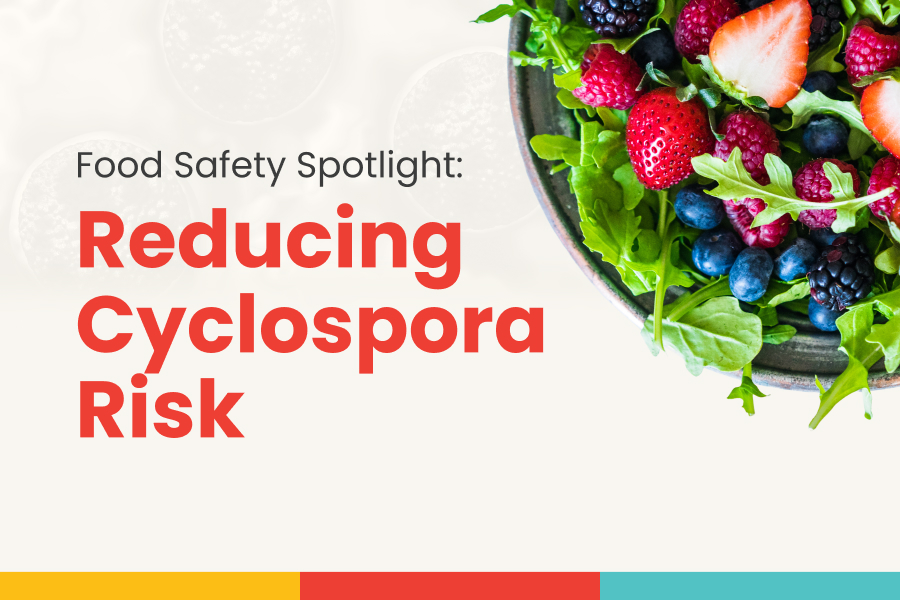
Practical Food Safety Tips for Foodservice Teams
As warmer weather continues, it’s a good time to reinforce food safety practices related to cyclosporiasis—a food-borne, gastrointestinal illness caused by the parasite Cyclospora cayetanensis. Cyclosporiasis utbreaks are often linked to fresh produce and can pose a greater risk to older adults and senior living communities.
Fortunately, the same strong food safety practices your team follows every day are the best defense.
Focus on Lower-Risk Produce
Fresh fruits and vegetables remain an important part of a healthy menu, but during periods of increased concern around cyclosporiasis, consider thoughtful substitutions when appropriate.
Some practical strategies include:
- Choose cooked vegetables more often. Steamed, roasted, or sautéed vegetables help reduce food safety risks while still providing excellent nutrition, as cooking to 158 degrees or higher kills the parasite.
- Use canned or frozen vegetables and fruit whenever they fit the menu. These products are nutritious and often provide greater consistency and less waste.
- Consider fruits that are peeled before eating, such as:
- • Bananas
- • Oranges
- • Apples that are peeled prior to service
Limiting fresh produce that is eaten with the peel intact can help reduce potential exposure when outbreaks are occurring.
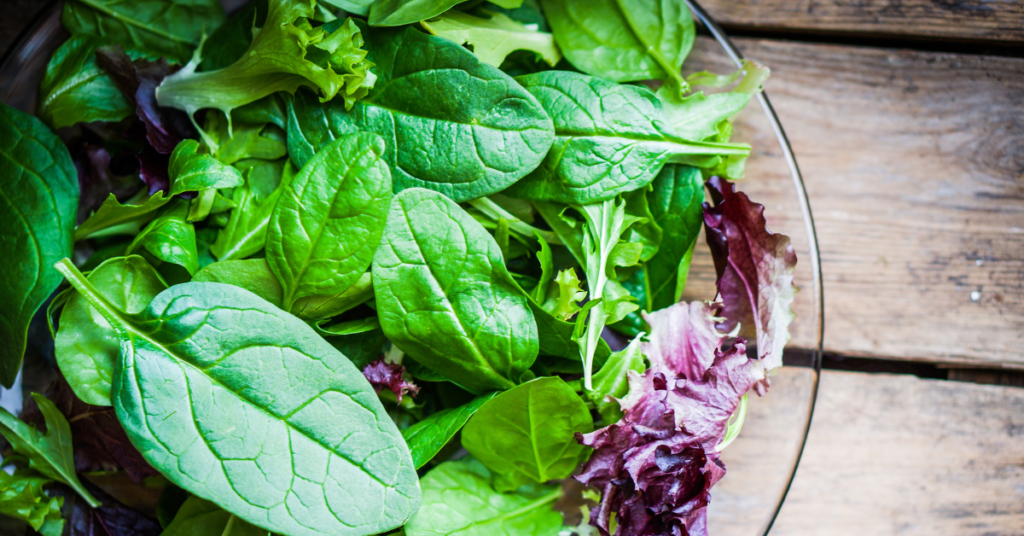
Produce Historically Associated with Cyclospora Outbreaks
At the time of publication, there were no recalls associated with this outbreak. As investigations continue, officials may identify specific sources. The foods listed below have been associated with previous Cyclospora outbreaks and are provided as a reminder to reinforce safe purchasing, handling, and serving practices during an outbreak – not because they are currently under recall.
- • Bagged salad mixes and salad kits
- • Fresh spinach and leafy greens
- • Leaf lettuce
- • Fresh basil
- • Fresh cilantro
- • Fresh-cut celery
- • Fresh diced tomatoes
- • Fresh salsa
- • Green onions (scallions)
- • Fresh diced onions
- • Mushrooms
- • Diced green peppers
- • Snow peas
- • Raspberries

Hand Hygiene Still Matters
Handwashing remains one of the simplest and most effective ways to protect residents.
Foodservice employees should:
- • Wash hands thoroughly before food preparation.
- • Wash hands after using the restroom, handling raw foods, or touching contaminated surfaces.
- • Follow established glove-use and hand hygiene policies throughout meal preparation and service.
Consistent hand hygiene protects both residents and fellow team members.
Reinforce Employee Illness Policies
One of the most important food safety controls is ensuring that employees who are ill do not prepare or serve food.
Managers should continue reinforcing policies that encourage staff to:
- • Report symptoms of gastrointestinal illness promptly.
- • Stay home when sick.
- • Return to work only when they meet your organization’s illness exclusion guidelines.
Supporting employees in making the right decision helps protect the entire community.
Keep Following Your Food Safety Fundamentals
The cyclospora outbreak is a reminder that food safety depends on many small actions done consistently. Continue to:
- • Purchase produce from approved suppliers.
- • Prevente cross-contamination during preparation.
- • Maintain clean and sanitized food preparation areas.
- • Follow standard operating procedures for safe food handling every day.
The Bottom Line
By choosing lower-risk produce when appropriate, maintaining excellent hand hygiene, reinforcing employee illness policies, and following established food safety procedures, foodservice teams can continue serving nutritious, high-quality meals while helping protect the health of the residents they serve.
For More Information: Since this article was published, the FDA has shared additional information about Cyclospora. You can review the latest guidance on symptoms, prevention, and food safety on the FDA’s Cyclospora information page.